
INDEPENDENT PEST INFORMATION
Flies and cluster flies in Shrewsbury properties
A recurring fly problem needs a clear description of where, when and how often insects appear. Identifying the fly and the source of activity helps a professional decide what investigation is appropriate.
Independent information and enquiry website operated by Stephen Meredith. We do not carry out pest-control inspections or treatments.
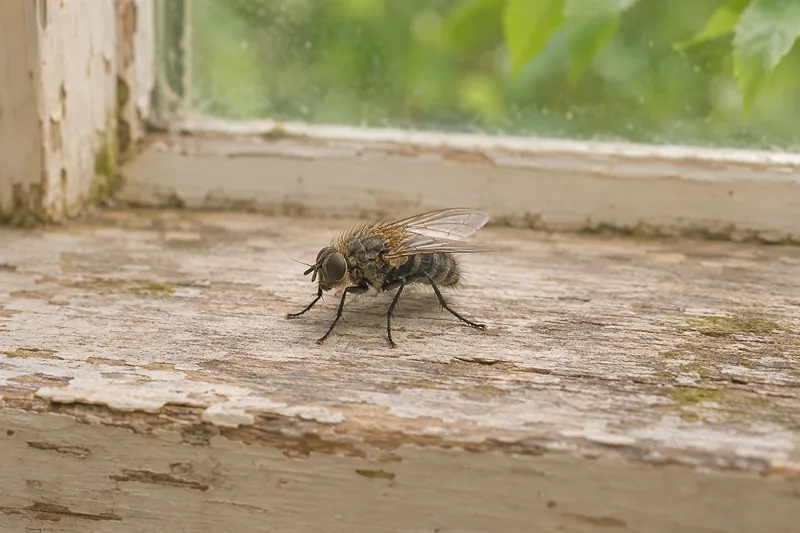
One fly, recurring activity or a seasonal gathering?
Start with the pattern. Did you notice one insect after a window was open, several insects in the same room every day, or a larger gathering around upstairs windows? Explain how long this has happened and whether it recurred at the same time in a previous year. A rough count is useful when described honestly.
Cluster flies can gather in roof spaces and other sheltered parts of buildings over winter. Coventry City Council describes their appearance around windows when they become active. That pattern is useful context, but a seasonal gathering alone does not establish the species. Different indoor flies can require a different investigation.
Make a room-by-room observation record
Note the room, floor, date and usual time you see activity. Record whether insects appear near a window, sink, bin area or another ordinary accessible feature. If there is more than one affected room, explain which has the most activity. Include any obvious change such as building works, a period of vacancy or a recently noticed leak.
A photograph taken from a normal position may help a professional discuss identification. Avoid moving appliances, opening service panels or entering an unsafe loft to obtain evidence. You can say that an area has not been inspected. A clear limit on what you know is more helpful than an assumed source.
Ask about identification and source investigation
The Property Institute explains that different fly species can point towards different conditions or sources. Ask whether the first visit includes identification and an investigation of the relevant location, or only a limited inspection. Establish how findings will be recorded and what happens if the source cannot be reached during that visit.
If there have also been unexplained noises or suspected rodent observations, report those separately with their dates. Do not infer a dead animal or a drainage fault from flies alone. Ask who would investigate a building or plumbing concern if it falls outside the pest professional’s scope.
Roof spaces and wildlife need careful planning
Tell the appointed professional if bats are known or suspected in the building. The Bat Conservation Trust explains that bats and cluster flies can use similar parts of a building, although the flies do not establish that bats are present. Its guidance highlights why an individual assessment matters before proposed work in a roof space.
Include known access restrictions, stored belongings and shared-building arrangements in the brief. Ask which areas need access and who can authorise it. Leave the choice of approach to an appropriately competent professional after assessment rather than selecting a product or sealing route from a general web page.
Separate the assessment, proposed work and follow-up
Request a written quotation stating the areas assessed, any proposed work, preparation instructions, access costs and exclusions. Ask whether a return visit or monitoring is included and what further observations you should record. With seasonal concerns, ask what the proposal can reasonably achieve and whether a later recurrence would be a separate job.
For a business or managed building, explain which rooms are occupied and when access can be arranged. Request instructions for the actual premises before rearranging activities. Keep the quotation and findings together so a later visit can be compared against the original scope.
Do flies at a window confirm a problem inside the house?
A window gathering does not establish where activity started. Cluster flies can shelter within a building seasonally, while other fly concerns call for a different investigation. Tell the assessor about the dates, rooms and recurring pattern so identification can guide the next step.
Will one visit prevent cluster flies returning next year?
Ask what the proposed work aims to address and how a later seasonal recurrence would be handled. The Bat Conservation Trust notes that cluster flies may return in a later autumn. A quotation should explain the scope of the present work and any separate follow-up terms.
Prepare an independent enquiry
- Give your postcode and the affected rooms or buildings.
- Describe the numbers, timing and repeated pattern in your own words.
- Mention known roof-space restrictions or relevant earlier findings.
- State your questions about identification, investigation and follow-up.
Stephen Meredith reviews messages through this independent information and enquiry website. Any possible next step is discussed separately. An appointment, quotation and contractor availability must be agreed with the relevant professional. Proposed contact sharing is explained and requires agreement first.