
INDEPENDENT PEST INFORMATION
Flea concerns in Shrewsbury homes
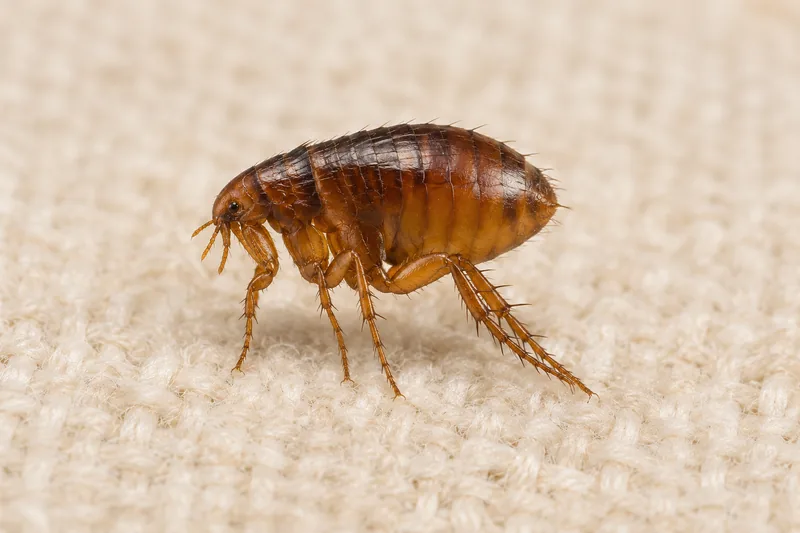
Repeated jumping insects in a carpet or concerns around pet bedding can leave you unsure which advice to seek first. A useful enquiry explains the observations, the rooms involved and any advice already received, so the property and pet questions can be considered separately.
Independent information and enquiry website operated by Stephen Meredith. We do not carry out pest-control inspections or treatments.
Describe the rooms and observations
Write down where you have actually seen an insect, when it happened and whether it has been repeated. A simple room-by-room note is more useful than a general description of the whole home. Mention carpets, upholstery and pet-resting places where relevant, without assuming those areas are the confirmed source.
BPCA explains that fleas can occur in homes with or without pets and that their life stages affect control. Seeing activity after moving into a property therefore needs assessment rather than an assumption about the current occupier. Keep uncertainty clear in your description, particularly where nothing has been identified.
Pet advice and property assessment are separate
If pets are involved, tell the assessor which types normally use the affected rooms and whether veterinary advice has been sought. The RSPCA advises asking a vet about appropriate flea products for the animal. A contractor assessing the building and a vet advising on a pet have different roles.
Do not put pet medical records or sensitive personal information into this website’s form. A brief note that veterinary advice has been requested is enough for an initial enquiry. Keep product names and dates available for the appointed professional, who can explain what information is relevant to the property proposal.
Ask how identification will be established
Explain what has been seen as well as what you suspect. A safely taken photograph may help describe an insect, but a blurred image or the room it appeared in may leave the identification uncertain. Ask whether identification is included in the first visit and what happens if the finding is different.
If the concern is primarily around a bed or there are other uncertain insect observations, keep those details factual. The bed bug guide covers a different assessment conversation. There is no need to choose a diagnosis before enquiring, and selecting “I’m not sure” avoids presenting a guess as established evidence.
Get a preparation plan for the actual work
Ask what access the contractor needs to floors, furniture and storage. Explain any heavy furniture that cannot readily be moved, areas used by pets, shared rooms and arrangements for the household. This allows the proposed preparation to be discussed before a visit is agreed.
Request clear written instructions covering any cleaning, laundry, access restrictions and return to normal use that the chosen approach requires. Avoid combining a general online checklist with different instructions from the contractor. If the plan is impractical for the property, raise that before accepting the work so responsibilities can be agreed.
Compare follow-up and monitoring
A headline treatment price does not explain how findings will be reviewed. Ask what later observations to record, which contact route to use and when the contractor will decide whether a further visit is appropriate. The flea life cycle makes those instructions worth understanding at the quotation stage.
Separate included return visits from visits charged individually. Check whether the price assumes one room, several rooms or the whole property, and whether additional identification or preparation carries a separate fee. Ask for the total, tax position, exclusions and any written terms rather than assuming that one appointment guarantees the result.
A concise flea-enquiry checklist
- Property postcode and the rooms where activity has been observed.
- Dates, repeated sightings and whether any insect has been identified.
- Types of pets using the spaces and whether separate veterinary advice is being sought.
- Previous property visits or products used, with dates available for the appointed assessor.
- Known access constraints and the questions you want answered about preparation or follow-up.
Can a home without pets have fleas?
Yes. BPCA explains that flea concerns can occur in homes without pets. Tell the assessor about the rooms and timeline, including a recent move where relevant. A current pet is not required before a property concern can be assessed.
Does the property visit include advice for my pet?
Ask the contractor what their scope includes. For an animal’s flea care and product choice, the RSPCA recommends veterinary advice. Explain that separate advice is being sought so the property plan and household arrangements can be discussed together.
How this independent enquiry route works
Stephen Meredith reviews messages to this website and can discuss possible next steps. Submission does not arrange attendance or treatment. If an introduction is proposed, the recipient is explained and agreement is requested before contact details are shared. Any property assessment, quotation and professional appointment are agreed separately.