
INDEPENDENT PEST INFORMATION
Clothes and carpet moth concerns in Shrewsbury
Holes in clothing, damage to a rug or small moths indoors raise different questions. Start by recording the affected materials and where activity appears. An assessment should connect the insect evidence with the damage before a textile-care or property-treatment plan is agreed.
Independent information and enquiry website operated by Stephen Meredith. We do not carry out pest-control inspections or treatments.
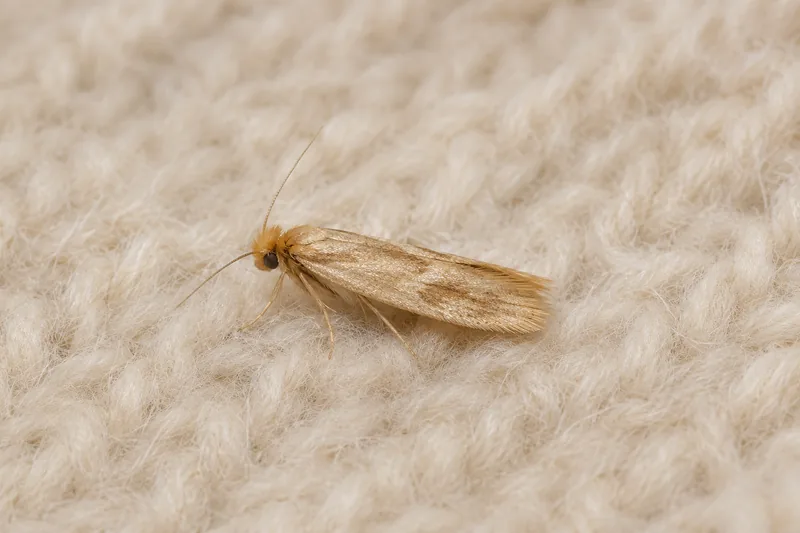
Record damage as well as insects
Make a short list of affected items and locations. Include whether the concern involves a wool carpet, stored clothes, upholstery or another material, and say if its composition is unknown. Record when damage was first noticed and whether newer changes have appeared since then. Existing wear and recent observations should be kept separate.
A room photo and a closer view of damage can help describe the concern when taken safely. Avoid moving furniture that is too heavy or opening inaccessible floor spaces to obtain more evidence. The appointed assessor can explain which areas need inspection and whether moving an item would help or complicate that work.
Why identification matters for textile damage
The Natural History Museum explains that clothes-moth larvae cause damage to natural fibres, while the adult moths do not feed on textiles. A moth flying through an open window is therefore a different observation from larvae or associated evidence beside damaged material. Ask how the assessor will distinguish these situations.
Carpet beetle larvae can also damage natural-fibre materials, so holes alone do not establish moths. If the insects are uncertain, describe them without attaching a confident label. The separate carpet beetle guide helps you prepare the comparison questions, while identification remains part of a competent assessment.
Clothing storage and fitted carpets need different planning
A wardrobe concern may involve individual garments, containers and the spaces around them. A fitted-carpet concern may require discussion of furniture, edges, adjoining rooms and access. Tell the contractor which items can be moved easily and which are fixed, fragile or shared with other occupants.
Give the appointed professional the care labels or material details where available. Before agreeing any process, ask whether a specialist textile cleaner or conservator should advise on valuable, delicate or historic objects. The correct plan for an ordinary rug should not be assumed suitable for every garment, heirloom or upholstered item.
Agree preparation before clearing a room
Ask what evidence should be recorded and what items should remain in place for inspection. Explain any cleaning, laundering, moving or disposal already undertaken. A brief timeline lets the assessor understand the current room layout and avoids mistaking a changed setting for the original circumstances.
Request written instructions for the actual proposal, including how items are handled, where access is needed and when usual room use can resume. Ask questions before applying a process to a delicate fabric. This page does not set heat, freezing, chemical or washing instructions for individual belongings.
Monitoring and repairs are separate decisions
Ask how the contractor will monitor activity and record later findings. An empty monitoring device or the absence of a moth on a particular day does not, on its own, describe every affected item. Find out what observations to report and when the plan will be reviewed.
Discuss carpet replacement, patching or furniture repairs separately from assessment and control. If you are considering disposal, ask how it fits into the proposed plan before incurring the cost. A written scope should distinguish work on the insects from cleaning, moving, restoring or replacing the materials that have been affected.
What a useful moth quotation should specify
- Identification and the items or rooms included in the initial inspection.
- Assumptions about material types and access behind furniture.
- Who handles preparation, specialist cleaning and movement of belongings.
- Included monitoring, follow-up and the criteria for reviewing activity.
- Separate charges for extra rooms, difficult access or later visits.
Keep the written findings, preparation instructions and price together. This makes it easier to compare proposals and ask an informed question if later observations differ from the original assessment.
Do adult clothes moths make the holes in fabrics?
The Natural History Museum explains that clothes-moth larvae cause textile damage. An adult sighting is useful to record, but the assessment should also consider the damaged material and associated evidence before linking the two.
Can I compare a wardrobe quotation with a whole-room price?
Only after checking the inclusions. Establish whether each proposal covers individual items, the storage space, fitted carpets or adjoining areas, and which preparation and follow-up are included. Give both contractors the same description so the scopes can be compared fairly.
Preparing an independent enquiry
Send the property postcode, a factual account of damage or sightings and the questions you want answered. Stephen Meredith reviews messages through the protected inbox. Any possible next step is discussed separately. A professional appointment and work are agreed with the chosen contractor, and proposed contact sharing requires agreement first.